
Discover the impact of metro rail ads
A 2025 ridership measurement shows that Dhaka’s Metro Rail system can serve up to 500,000 commuters each day, offering an extraordinary platform for metro rail advertising. With thousands of daily riders moving between vital locations like Uttara, Agargaon, and Motijheel, this public transit corridor has become a focal point for brands seeking a reliable way to reach a broad, diverse audience. If your business wants to stand out in Bangladesh’s competitive marketplace, tapping into these prime advertising spots can make a lasting impression and steer more conversations and sales your way.
We have seen how metro rail advertising truly captures attention. Passengers in train cars usually face posters or digital displays for ten minutes or more, soaking in your brand message even when they’re scrolling on their phones or chatting with friends. In fact, data from Best Ad Agency BD reveals that commuters remember metro ads 2.5 times better than typical roadside billboards. This higher recall is good news—it means your brand stands a strong chance of staying top-of-mind, whether people are searching online later or chatting with coworkers at the office.
Beyond just reach, metro rail advertising fits nicely into modern city life. Many of Dhaka’s residents depend on public transportation to get to work, universities, or shopping destinations. Good news—these riders travel the same paths day after day, which fosters repeated exposure for your ads. It’s a consistent way to meet urban dwellers in a setting that underpins their routine. Brands that integrate creative, crisp visuals and concise copy can take advantage of the captive atmosphere in these stations and train cars. Commuters, many of whom are bored or simply waiting for their stop, are ready for something to capture their imagination.
Explore Dhaka’s expanding network
Dhaka’s public transit infrastructure is set to keep growing. The current line, stretching 20.1 kilometers from Uttara North to Motijheel through 16 stations, continues to evolve. According to dhakaad.com, the metro network is slated to expand to six lines and over 100 stations by 2030. This larger footprint means your ads can cover more neighborhoods, connecting with new pockets of consumers that might otherwise be hard to reach. As lines extend across the metropolis, the potential to present your brand’s story in multiple stations grows alongside ridership.
For marketers, these expansions translate into stronger brand presence, because you can tailor messages to each neighborhood or station’s specific vibe. Are you promoting a student-friendly product near a campus stop? Adjust your creative approach to match that demographic’s interests. Hoping to capture the attention of professionals in busy urban centers? Design an ad that addresses their daily challenges. This flexibility helps you refine your targeting strategy as lines and ridership grow.
Moreover, a bigger system means more options for advertisers. You can choose from smaller, hyper-local station ads or a full “station domination,” where you transform an entire station. While your precise choice of format will depend on budget, brand identity, and communication goals, the expanding network ensures you have the freedom to stretch your marketing horizon. It’s an exciting time to embed your brand in the rhythms of Dhaka’s daily commute, one station at a time.
Engage a varied daily audience
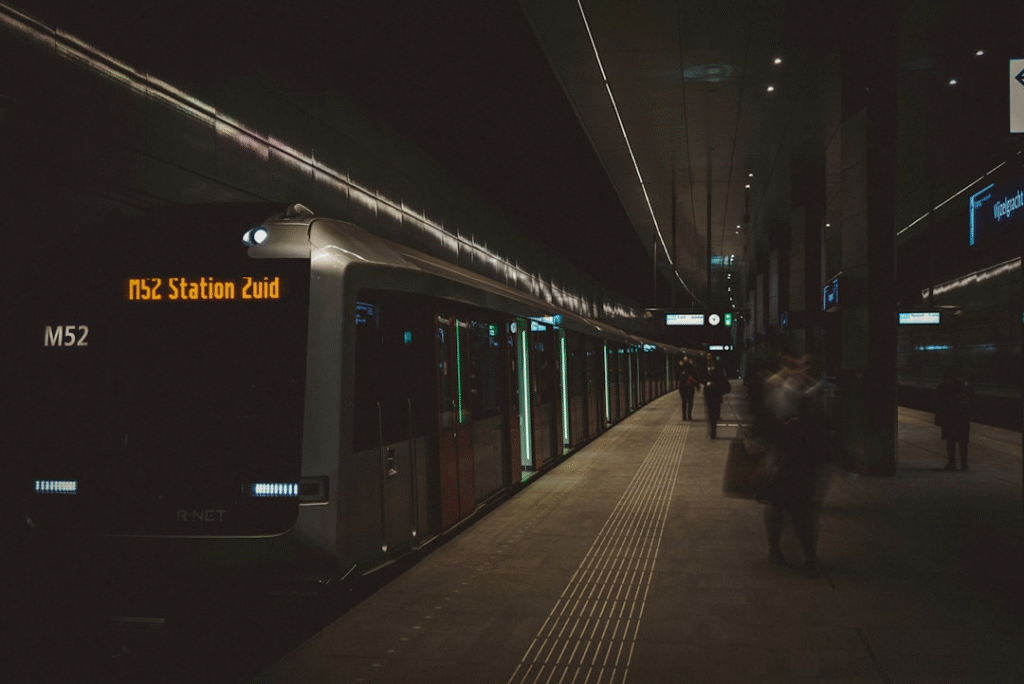
Dhaka’s diverse mix of riders includes students rushing to classes, employees commuting to offices, entrepreneurs zipping between meetings, and tourists exploring the city. Metro stations also provide a crossroads for shoppers, families, and social groups. When you share a focused message in these corridors, you’re touching on multiple demographics in one fell swoop.
This variety is a major advantage. If your brand wants to resonate with tech-savvy young adults and older, more traditional consumers alike, metro rail advertising offers that chance. You might run a single, broad campaign or a mix of specialized ads that match each commuter segment. By customizing your creative to different lifestyles (like highlighting discounts for students or addressing busy parents with a family-oriented angle), you connect your brand to real people in everyday situations.
Additionally, because Metro Rail is relatively new in Dhaka, many people are intrigued by the novel experience of riding a sleek, efficient train—especially now that traveling from Uttara to Motijheel takes just about 35 minutes. The positive associations people have with smooth and modern transportation can spill over into your ad campaigns, boosting your brand’s image. Think of it as co-branding with the city’s newest achievement in public transport—one that fosters a sense of national pride and progress.
Compare common ad formats
One of the best parts of metro rail advertising is the variety of formats you can choose from. Here’s a rundown of the popular ones:
- Posters and static billboards
These are fixed graphics, usually placed on station walls or pillars. They’re cost-effective, easy to mount, and remain visible for an extended run. Commuters walking at a leisurely pace can read your message multiple times over several days or weeks. - Digital screens and LED panels
Dynamic content displayed on digital boards is a powerful way to stand out. According to A Lot Media, digital screens can rotate multiple ads, giving each brand a chance to shine in an engaging manner. You might even set up interactive QR codes for on-the-go users who want more information. - Branded train wraps
Train wraps are a dramatic, high-visibility method. When a train pulls into the platform, a vibrant ad enveloping the train’s exterior demands attention. Branded wraps can function as a moving billboard, traveling across the heart of Dhaka. Riders and onlookers both get repeat impressions—especially at rush hour. - Sponsored metro cards and tickets
Since commuters use these every day, station-issued smart cards and tickets can double as memorable branding tools. Placing your logo on these items ensures repeated exposure as people handle them before each ride (and sometimes keep them in their wallets afterward). - Station naming rights
This is a premium option if you want to align your brand with a specific station. Commuters will begin to associate that station’s name with your brand, giving you deep integration into local vocabulary. It can be a long-term play—once travelers form the habit of saying your brand name daily, you enjoy unmatched mindshare. - Interior car cards
Interior displays are placed in train cars, usually above the seats or near the doors. Everyone who boards the train sees them up close. Over ten or 15 minutes of travel, the visual becomes familiar. Repeated exposure like this can translate into stronger brand recall.
The cost for each of these formats varies by location, duration, and design requirements. According to A Lot Media’s research, interior ads might range from USD 500 to USD 5,000 per month, while digital screens can carry different price tags based on ad frequency and rotation length. Regardless, there’s an option for nearly every budget, giving you a chance to scale up as your campaign’s momentum grows.
Balance costs with ROI
Spending money on advertising only makes sense if you see returns in awareness and conversions. Fortunately, metro rail advertising has proven cost-effective when you consider the sheer number of eyeballs and the frequency of impressions. Commuters use the metro multiple times a day, five or six days a week—a consistent pattern that most conventional outdoor media can’t match.
As you plan spending, keep in mind that most businesses invest between 7.5% and 15% of their gross annual revenue in marketing (based on data from AdvertiseMint). A slice of that marketing budget can be channeled into metro campaigns for direct, repeated exposure. Also, consider that employing an in-house expert can cost up to USD 120,000 a year, per AdvertiseMint, so working with an agency often saves money in the long run. When you outsource these tasks, you tap an entire team’s creativity and knowledge—public relations, graphic design, copywriting, analytics—without paying multiple full-time salaries.
Remember the big picture, though. If combining bus ads, social media posts, and railway branding is more strategic for your company, budget accordingly. You can test short-run campaigns in a few stations, collect data, and measure your conversion rates or brand lift. Metrics like these can guide you toward bigger or more targeted expansions. The beauty of metro rail advertising is that it isn’t static or all-or-nothing. It’s flexible, so you can pivot based on performance without getting locked into a single set of placements.
Integrate with your broader strategy
We often find that marketers who treat metro rail advertising as just another siloed channel miss out on the synergy available. A strong approach weaves metro campaigns into a larger tapestry of marketing. That might include tying your station ads to digital retargeting funnels, so that people who frequently ride the train also see your brand online. Another complementary path is blending out-of-home campaigns with experiential marketing, such as hosting a quick product demo near the station entrance—or bridging them to your event marketing in bangladesh to create buzz and personal interaction.
Since Dhaka is a growing metropolis, your brand can also combine station ads with other transit solutions, like bus branding. Potential customers frequently jump from trains to buses or rickshaws, so consistent visuals across multiple touchpoints will reinforce your brand’s presence. The more channels you connect—within reason—the stronger the recall. You might also test new digital out-of-home ideas, such as geofencing around station boundaries to send push notifications to your mobile app users.
If you’re unsure how to orchestrate these moving parts, Ad Agency Bangladesh is here to help. We’ve seen how a well-managed mixture of channels can lead to measurable lifts in brand awareness, foot traffic, and sales. Our experience includes designing campaigns that fit each brand’s goals, whether you want to drive e-commerce conversions, build brand love, or spark conversation in everyday commuter life. The bottom line is that integration boosts impact. The critical step is to plan each channel so they work together seamlessly.
Learn from a creative world success
A key lesson in metro rail advertising is that you can educate, inform, and even delight your audience without resorting to fear or tedious repetition. Metro Trains Melbourne illustrated this with its “Dumb Ways to Die” campaign, launched in late 2011 and continuing into 2012. Their team recognized that young people tuned out standard fear-based messaging. So instead, they commissioned a catchy tune and playful animated characters, using a content model approach that was more like entertainment than typical PSAs.
The results were astonishing. According to Smith Brothers Media, within months, accidents fell by 10-20%. Additionally, the campaign gathered 127 million pledges for safety around metro lines. It also went viral on social media and turned into the world’s most shared public service announcement at the time, winning 5 Grand Prix and 28 Lions at Cannes. While that campaign focused on passenger safety rather than product sales, it demonstrates how creativity, humor, and strong storytelling can spark real change in behavior.
We can draw a direct takeaway for Dhaka Metro. Instead of scaring people into noticing your brand, think about inspiring them, making them laugh, or offering them something memorable. Music, interactive games, or short comedic videos playing on digital screens are more likely to earn a conversation or a share on social media than an ad that simply states “Buy this.” When you give your target audience something endearing, you embed your brand more firmly in their minds.
Implement best practices for brand impact
- Map your audience
Before you design a single billboard or digital animation, clarify who you need to reach. Are you targeting college students in high-traffic areas? Or do you want professionals on their daily commute from Motijheel’s financial district to Uttara? Once you’ve pinned down your target, you can choose stations and ad formats that align with traveler demographics. - Keep the message concise
Remember, riders have a limited window of time to absorb your ad. A short, punchy headline with bright visuals often outperforms heavy text. Offer a direct call-to-action—an easy-to-remember URL or QR code people can scan within seconds. - Embrace smart design
Incorporate bold colors and clear typography. Use icons or short phrases to highlight benefits that speak to daily commuter experiences. For instance, if your app saves riders time, mention it. If your product helps them unwind after a busy day, say so. Think about how people feel during a commute, and respond to that emotional state in your design. - Respect regulations
In Dhaka, Dhaka Mass Transit Company Limited (DMTCL) regulates ad placements to preserve commuter comfort. That means your campaign must pass certain content guidelines. Collaborate with an agency that’s familiar with local rules, so you don’t face last-minute revisions or rejections. Commuter-friendly ad environments maintain respect for passenger flow and safety. It’s a win for everyone. - Test, measure, refine
Launch small pilot campaigns in a few high-traffic stations and track the results. Are people scanning your QR codes or visiting your website more often from those areas? Are you seeing a local increase in foot traffic to your store? Use that intel to refine your creative and expand to more stations. Flexibility is the secret—metro rail advertising campaigns often show the best returns once you tweak them based on real-world data. - Maintain brand presence over time
Repetition matters in out-of-home marketing. Seeing your brand for a day or two might be interesting, but consistent exposure for a month or more cements your presence. Ideally, plan a timeline that covers several weeks, giving riders enough time to notice, absorb, and respond. If you can afford a longer campaign, you’ll strengthen that brand recall.
Following these steps helps ensure you don’t just pay for ad space, but you actually capture hearts and minds. Creative, data-backed planning can help your brand earn traction in a crowded marketplace.
Embrace Ad Agency Bangladesh
At this point, you might be wondering whether you should go it alone or bring in professional help. That’s where we come in. Ad Agency Bangladesh specializes in orchestrating show-stopping campaigns, both in the metro and beyond. Our goal is to integrate your brand seamlessly into daily life, leveraging each station’s foot traffic while preserving a positive commuter experience.
We also bring tried-and-tested insights on how to pair metro rail advertising with broader local strategies, like led advertising in bangladesh or digital signage advertising bangladesh. Every element—from creative design to local regulations—demands careful planning. A single misstep can compromise the entire campaign’s potential return on investment. With our expertise, you get the benefit of local relationships, regulatory know-how, and a dedicated team that understands how advertising truly works in Dhaka.
Most importantly, we want our clients to feel confident. When you sign on with Ad Agency Bangladesh, our first step is to discuss your brand voice, goals, and budget. From there, we’ll propose tactics that fit your unique goals so you can see exactly how the puzzle pieces come together. That way, your brand’s message hits the right people at the right time—in a creative, memorable way.
Navigate Dhaka’s future expansions
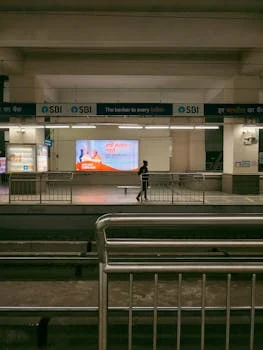
Long-term thinking is vital if you’re serious about establishing a robust presence. As the Dhaka Metro network evolves from one line to six, we’ll see new commuter paths, new business hubs, and new opportunities to target people who used to rely on buses or personal vehicles. Station naming rights, station dominations, or other special sponsorships might open up as the network expands. These expansions can also correlate with big events—like retail store launches, city fairs, sporting events, or business news bangladesh updates that generate heavier foot traffic in certain corridors.
By keeping an eye on official expansion schedules, you can preempt your competitors and secure premium ad slots. There is typically strong demand for prime spots in new stations, and agencies with early knowledge have an advantage. This is another reason to align with an experienced partner like Ad Agency Bangladesh. We frequently monitor official bulletins from DMTCL, so we can jump on prime placement opportunities while they’re still available.
Moreover, continued growth aligns with the city’s economic development plan, driving more businesses (your potential partners or competitors) to join the metro rail advertising space. Once you’re established as one of the early supporters, your brand gains bragging rights. People start associating you with modern, forward-thinking city development, and that credibility can go a long way to winning trust in the local marketplace.
Quick recap and next step
- Metro rail advertising in Dhaka introduces your brand to a daily audience of thousands and offers 2.5 times better recall than traditional outdoor ads.
- The expanding 20.1-kilometer line is tiptoeing toward a much larger network over the next few years, meaning even more potential riders and station locations.
- Commuters are diverse: students, professionals, tourists, and families. Tweak your creative to match your target segments.
- Formats run the gamut from static posters to train wraps and station naming rights, letting you pick what suits your message and budget.
- Balance your costs with results. Start small, test your message, and scale up based on data-driven insights.
- Integrate metro ads into a broader campaign, weaving together offline and online channels for maximum synergy.
- Creativity stands out. Look to campaigns like “Dumb Ways to Die” for inspiration on how to balance memorable storytelling with messaging.
- Ad Agency Bangladesh is ready to guide you through complex rules, design fresh creative, and help you expand your presence as the network grows.
Good news—this is easier than it sounds once you have a road map (or in this case, a rail map). Pick one station or ad format, outline what success looks like (for instance, an uptick in brand inquiries), and measure your progress. By stepping into metro rail advertising, you’re planting your brand right in the path of daily commuters who are primed for new ideas and solutions.
Frequently asked questions
How much should we budget for metro rail advertising?
It depends on your overall marketing plan and goals. AdvertiseMint suggests that businesses typically invest 7.5% to 15% of their gross annual revenue in marketing. A portion of that sum could be set aside for metro ads, which often provide repeated exposure to a captive audience.
Is metro rail advertising too new to be reliable?
It’s relatively new in Dhaka, but that can be an advantage. You can stand out as an early adopter, and proven success stories from other countries (like Metro Trains Melbourne) show that creative tactics can yield big results.
What if our brand needs multiple ad channels?
We suggest weaving metro ads into a multi-channel strategy that might include bus branding, digital campaigns, or event marketing in bangladesh. Each channel builds on the others, strengthening overall brand awareness.
Are there regulations on ad content?
Yes, DMTCL has guidelines to preserve commuter comfort and ensure tasteful, safe advertising. You’ll want to avoid content that’s overly disruptive or unclear. An agency familiar with these rules can help you secure approval without headaches.
How soon should we get started?
The sooner you begin, the easier it is to secure premium station slots and lock in top-tier visibility. As Dhaka’s metro expands, more brands will enter the scene, so acting early can position you as a forward-thinking leader in the market.
By following the steps above and partnering with experienced professionals, your business can confidently ride the wave of metro rail advertising, capturing hearts, minds, and, most importantly, sales. You don’t have to navigate this journey alone. We’re here to help craft campaigns that truly resonate with everyone stepping onto those platforms and stepping off the train with your brand in mind.


